Let’s get this out of the way –
Being everywhere is not a strategy.
Being in the right place, at the right time, in the right way is.
The Visibility Illusion
Brands often equate distribution with exposure.
So, they go wide – paid ads, email blasts, digital banners, airport signage, influencers, and maybe even an LED screen on a highway in case someone looks up.
But here’s the harsh truth:
More channels ≠ more visibility
More visibility ≠ more conversions
Because attention isn’t given. It’s earned.
And the only way to earn it? Know where your audience actually notices, and how they want to be spoken to there.
Retail Anecdote: Strategic Placement > Shiny Placement
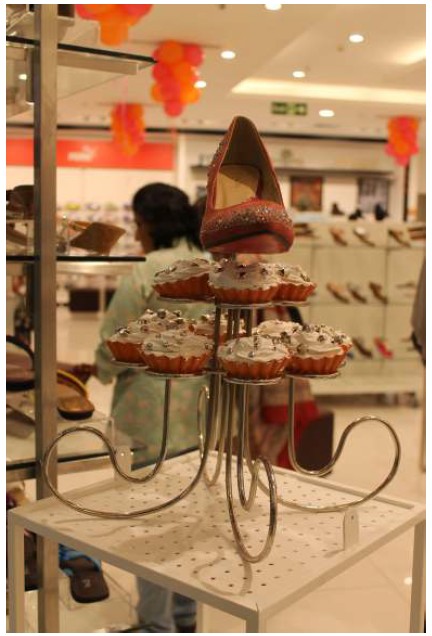
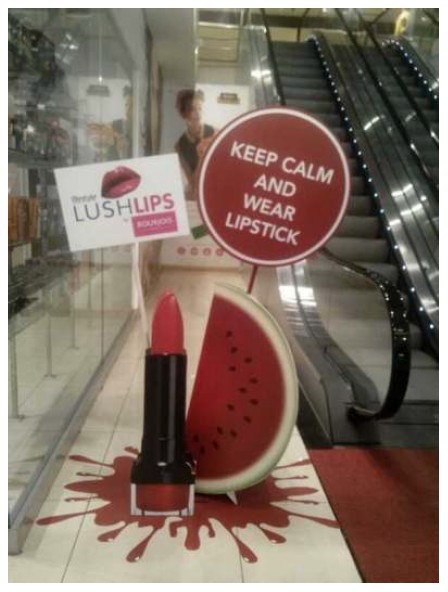
In one of our campaigns at Bengaluru Duty Free, we initially installed high-budget standees near an escalator, a prime “visibility” zone according to traditional retail logic.
But we noticed something important:
That area was a transit zone, not a decision zone.
So, we shifted strategy.
We placed tactile, high-contrast visual focal points at:
- Store entrances (where shoppers paused to orient themselves)
- Near high-browsing zones like fragrance and gifting
- Behind checkout counters, where dwell time was higher
We used bold iconography, clear value messaging, and well-lit displays that stood out in a cluttered retail environment.
Outcome?
A spike in unaided brand recall – because we didn’t just aim for presence, we aimed for presence with purpose.
Digital Anecdote: The Newsletter Nobody Wanted
Another brand I consulted for was obsessed with email campaigns — because hey, it’s measurable and “owned.” But their TG?
Young professionals who filtered anything non-work-related straight into spam.
Meanwhile, that same audience was active in Reddit forums and Telegram groups, looking for peer reviews before buying.
So instead of yet another “10% off!” email, we created native content threads, honest responses, and comparison memes in those communities.
Not only did click-throughs improve — but so did trust.
Right channel. Right tone. Right moment.
The Psychology Behind Channel Behavior
Distribution strategy is really behavior strategy.
Here’s why your audience doesn’t act the same across channels:
| Platform | Mood/Intent | Best Content Format |
|---|---|---|
| Passive, aspirational, visual escape | Visual storytelling, UGC, reels | |
| Professional, validation-seeking | Authority-building, insights, guides | |
| Private, high-attention, action-oriented | Conversational CTA, reminders, drop alerts | |
| Retail Floor | Curious but overloaded | Clarity-led displays, physical prompts |
| Reddit/Forums | Research mode, skeptical, unfiltered | Honest comparisons, peer recommendations |
If you’re distributing the same content across all — you’re burning money and attention.
5 Tips to Stop Burning Budget on the Wrong Channels
1. Start with intent, not inventory
Don’t ask “Where can I be?”
Ask “Where is my customer when they’re open to my message?”
2. Shrink your map before you expand it
Test 1–2 core channels that align with your TG’s behavior. Go deep before you go wide.
3. Place messaging where decisions happen
Not just where eyes land — where brains engage. In retail, that’s often at shelf-edge, checkout, or sensory-heavy spaces.
4. Customize by channel psychology
Instagram needs desire. LinkedIn needs proof. WhatsApp needs urgency. Treat each one like a different dinner guest.
5. Review ROI monthly, not quarterly
If something’s not converting in 30 days, it’s either the wrong channel or the wrong message for that channel.
Final Thought
Don’t confuse being seen with being remembered.
And don’t confuse reach with relevance.
When you distribute with precision, you do more with less.
You don’t need 15 touchpoints. You need 3 that actually touch the nerve.
Want to learn how to build your own lean but powerful distribution strategy?
My Marketing Playbook includes a Channel Fit Matrix, ROI checklist, and message-format cheat sheets.
Get your copy here → https://apurvainkpactstudio.gumroad.com/l/marketingplaybook
Or DM me for a free preview!



 Shoe/Syrup/Sushi
Leave a comment