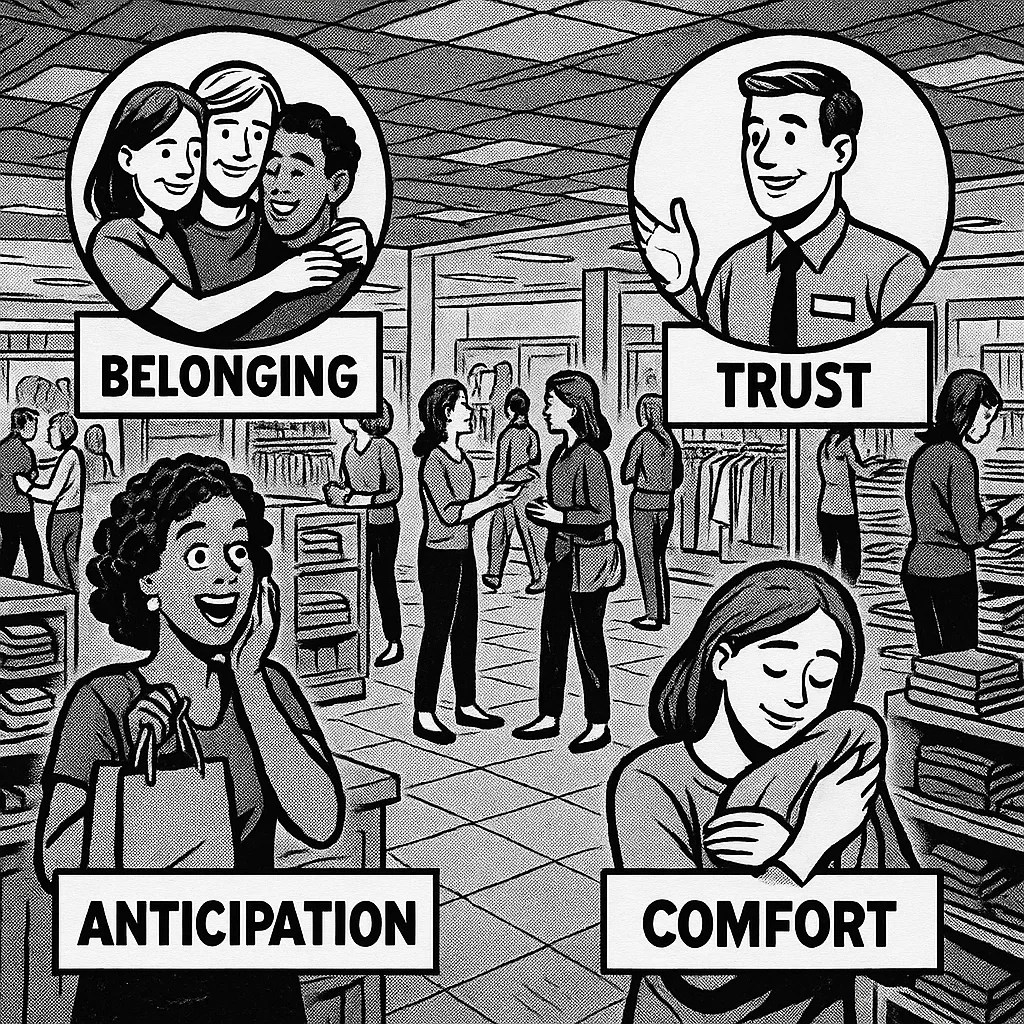
You know who you’re talking to but do you really know what makes them click, swipe, buy, or bounce?
I learned this the hard way, and then I learned it again the smart way.
Target Groups vs. Trigger Points: A Realisation
When I first started building retail campaigns, my briefs were tight.
Demographic? Check. Income group? Check. Shopper persona? Check.
We had the ideal TG nailed down, beautifully plotted on slides with smiling stock images.
But the campaign? It flopped.
Why?
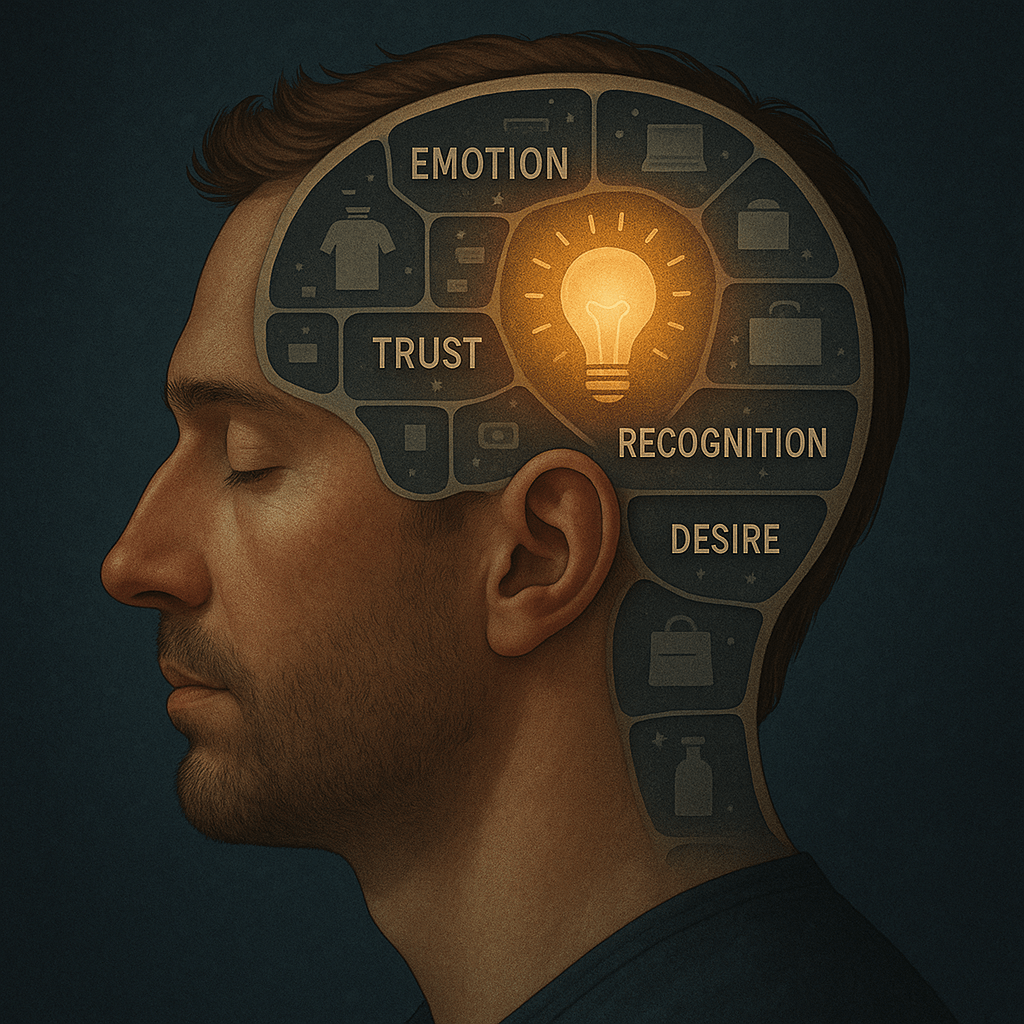
Because we didn’t factor in what moves them emotionally, mentally, or even biologically.
Just knowing your TG is like being on a first date and listing your partner’s star sign, favorite cuisine, and where they grew up.
Cute, but shallow.
Triggers : now those are the stuff of long-term chemistry.
Enter Consumer Psychology: The Human Code
Every consumer has unspoken motives — the “why beneath the why.”
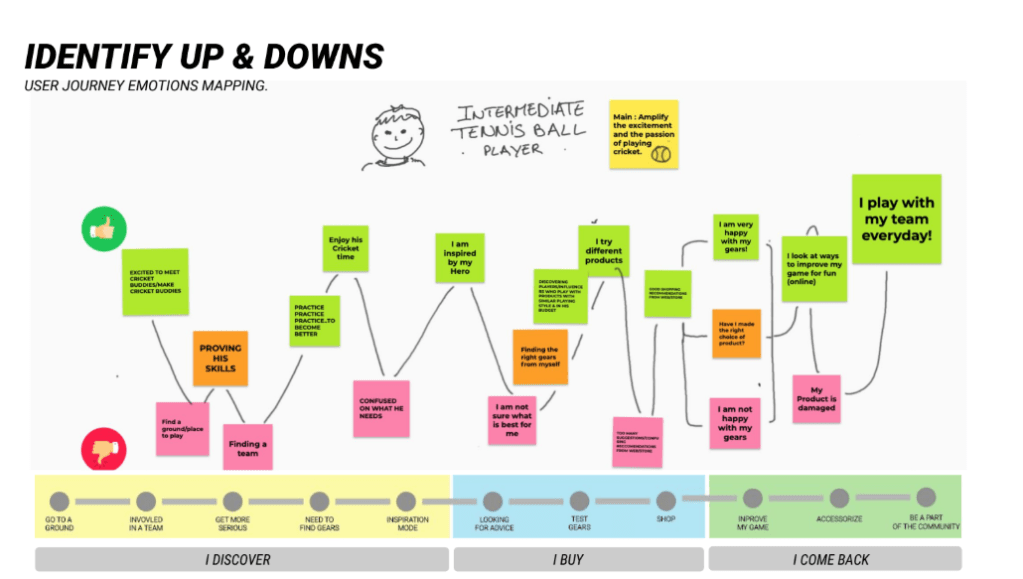
Here’s where behavior mapping flips the game.
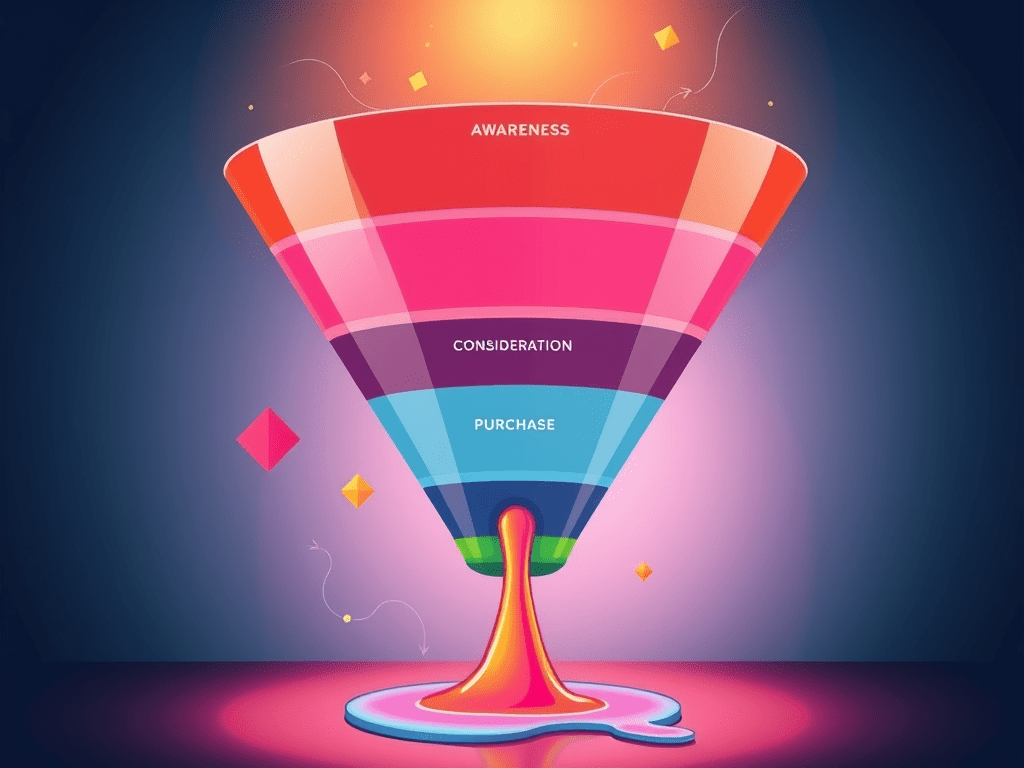
- Awareness isn’t linear. We don’t go from seeing an ad to instantly making a decision.
We hover, stalk, screenshot, abandon cart, revisit at 2am – we’re emotional pinballs. - Triggers are contextual. A 35-year-old woman might buy the same perfume for totally different reasons > once to reward herself post-promotion, another time as an emotional anchor during a breakup.
- Attention ≠ Interest. That’s where micro-triggers come in. A word. A color. A headline that says, “For the ones who do more than they’re paid for.” Suddenly, she’s in. And not just in the funnel > invested.
Behavior Mapping: My “Aha” Moment
At Bengaluru Duty Free, we had this assumption that VVIP travelers already knew what they wanted. So we kept pushing value bundles and loyalty discounts. Some worked.
But then we started mapping footpath-to-purchase behavior.
We realized:
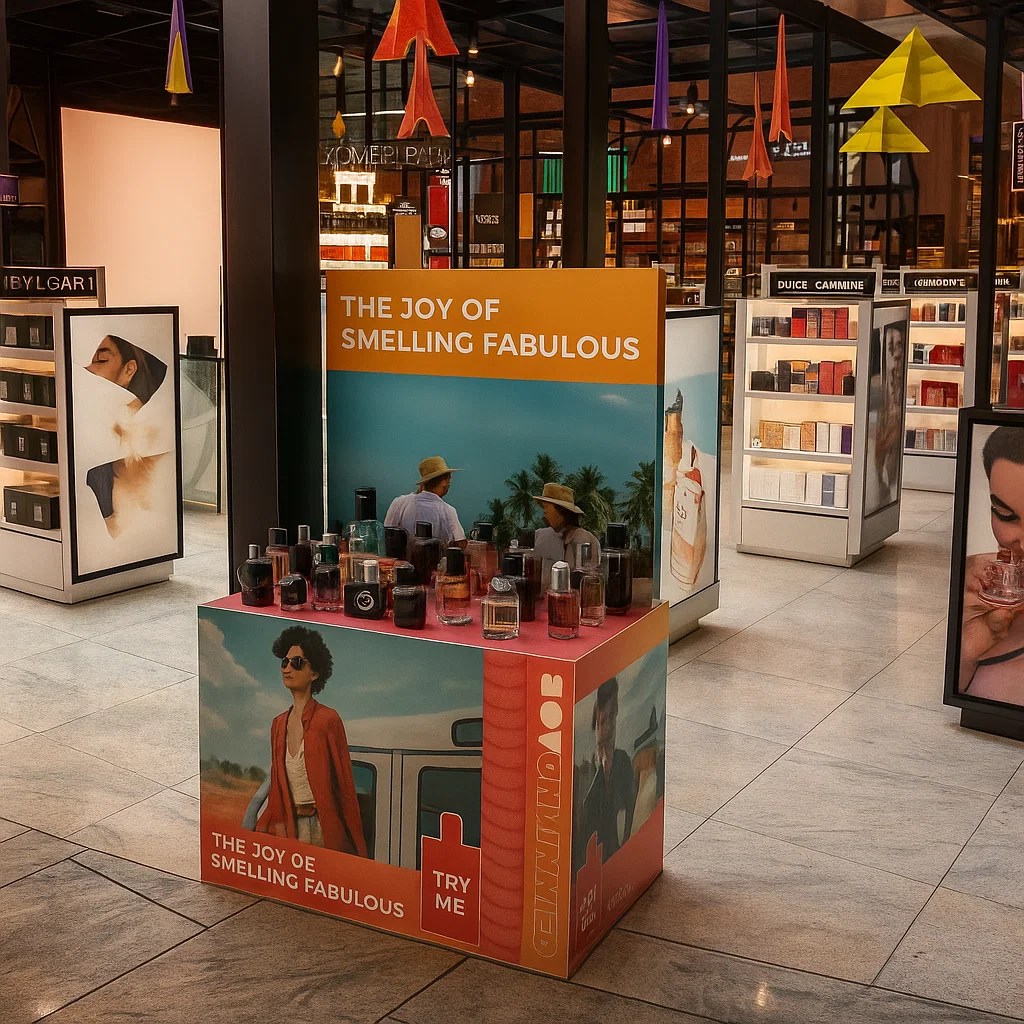
→ Many travelers paused the longest at tester stations and fragrance discovery walls.
→ They’d often come back a second time before boarding, just to smell one more time.
So we added small, sensory-led triggers:
- sampler kits
- Emotive messaging like “Your signature scent. Finally boarding.”
Conversions on those categories? UP!
The difference?
Not the audience. Just how we understood their emotional rhythm.
What You Can Do: A Trigger-First Approach
Whether you’re a solopreneur or a big brand marketer, shift your lens:
- Map their behavior, not just their bio.
What are they doing before, during, and after they see your content? - Use psychographic cues.
What are their fears? What self-image are they protecting? What do they wish someone would just say out loud? - Test micro-messaging.
Run A/B tests not on price points but tones. Does curiosity convert better than FOMO for your crowd? - Don’t sell. Mirror.
“You’ve got enough on your plate. Let us handle this one thing.”
(Now you’re not a service. You’re a sigh of relief.)
Final Thought
Understanding triggers isn’t just good marketing.
It’s empathy, at scale.
And empathy is the new algorithm.
So next time you build a campaign, go beyond the TG.
Ask: What makes them pause? What makes them feel seen? What makes them feel safe enough to say yes?
Want a behavior mapping worksheet or trigger profiling template?
I’ve added one inside my Marketing Playbook – designed to help you map psychographics with purpose.
Link in bio, or DM me for a sneak peek.



 Shoe/Syrup/Sushi
Leave a comment