
How to define brand positioning
When people hear “brand positioning,” they often think of Fortune 500s, expensive agencies, and clever taglines.
But the truth?
Your brand already has a position.
Whether you’ve defined it or not.
The real question is—are you the one defining it, or is the market doing it for you?

What Is Brand Positioning, Really?
Let’s cut through the jargon.
Brand positioning is simply how your ideal customer perceives your brand relative to others.
It’s the space you occupy in their mind.
- Are you the budget-friendly option?
- The luxury pick?
- The community-first, values-driven one?
- The fast, the friendly, the fearless?
It’s not about what you sell.
It’s about what your audience remembers.
Here’s Where Most People Get It Wrong
After 12+ years working across global retail, D2C, and hyperlocal markets, I’ve seen this mistake over and over:
Trying to be “for everyone.”
Your brand isn’t a buffet—it’s a well-curated dish.
Trying to serve everyone means connecting with no one.
Positioning = Psychology
When I build strategies—whether for a sports brand or a solo founder—I always come back to these 3 pillars:
1. Audience
Who exactly are you trying to reach?
What do they want, fear, need, crave?
2. Perception
What do you want to be known for?
What gap are you filling that others aren’t?
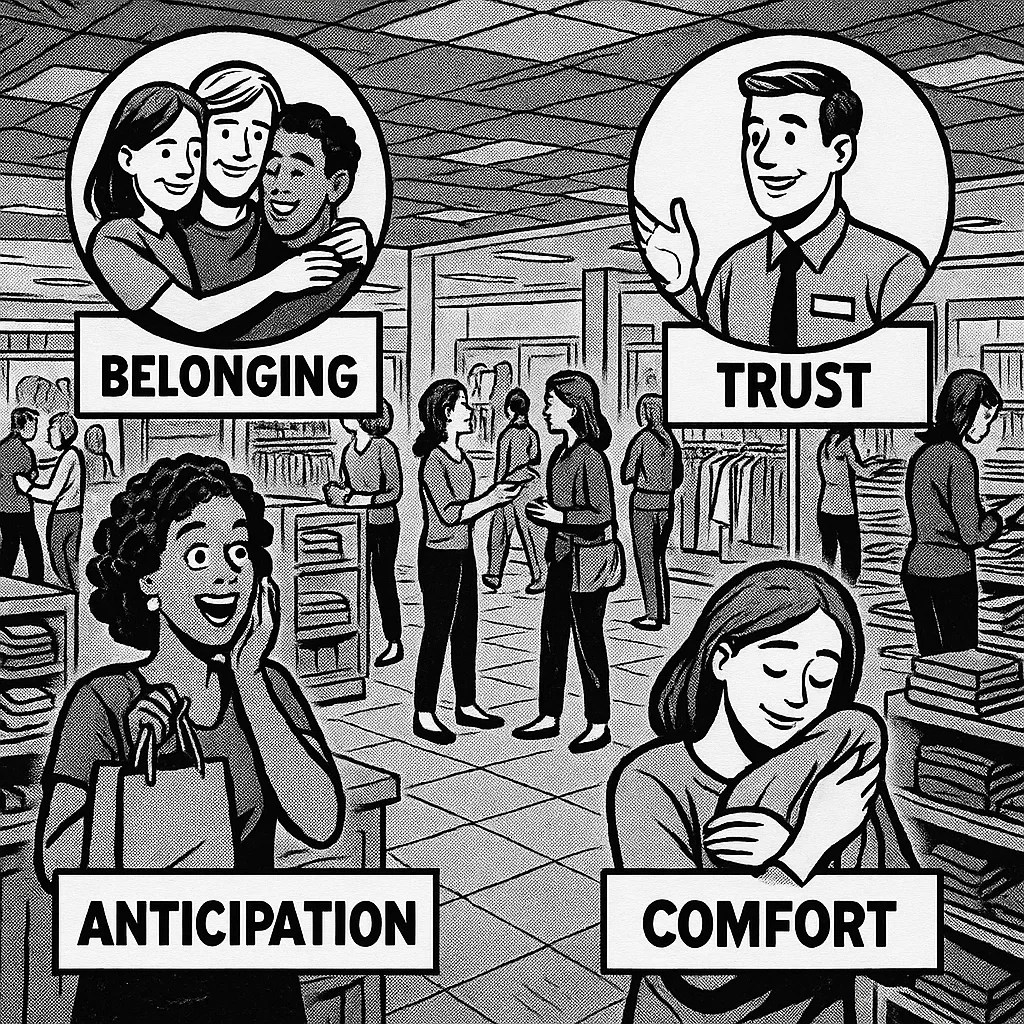
3. Emotion
How should someone feel after engaging with your brand?
When these three align, you’re not just seen—you’re remembered.
And remembered brands get the clicks, the conversions, the community.
Real Talk: How to Start Positioning Your Brand
Here’s a quick framework I use with clients (and it’s part of the free worksheet I’ve shared too):
1. The “Only-ness” Statement
[Brand] is the only [category] that [benefit] for [audience] who [need].
Example:
Inkpact Studio is the only boutique marketing consultancy that blends AI + storytelling for solopreneurs who want high-conversion content without the burnout.
2. Competitive Map
Draw a 2×2 grid. Map out competitors based on two traits (e.g., price vs personality).
See where the whitespace is. That’s your playground.
3. Word Cloud Test
Ask 10 people what 3 words they associate with your brand.
If they don’t align with your intended position—you’ve got work to do.
Why I Built the Marketing Strategy Notebook
Let’s be honest—strategy books often sound great but don’t translate into action.
That’s why I built this:
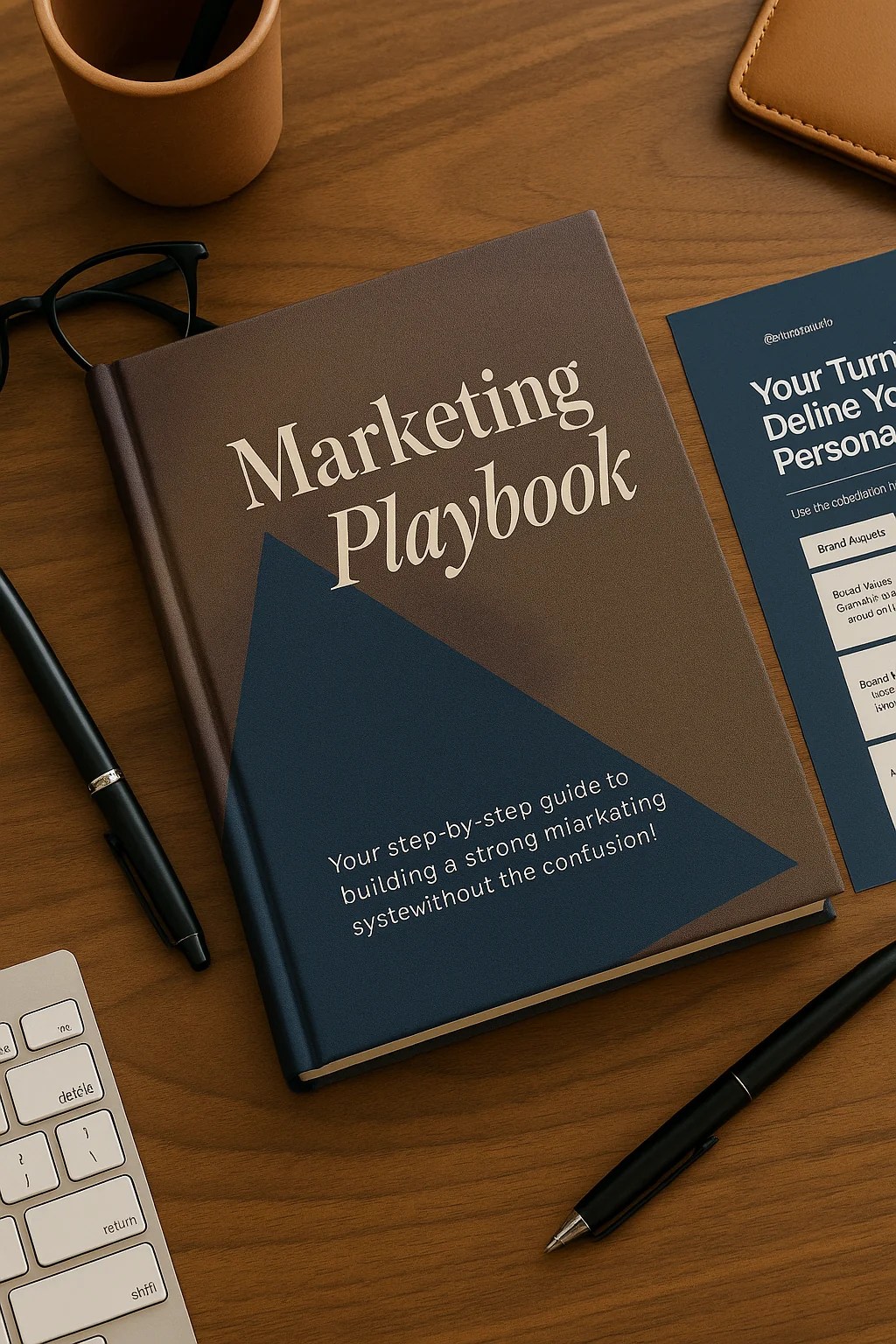
A thinking + doing tool to help you define your audience, craft your pillars, and position your brand with purpose.
✅ No fluff.
✅ Worksheets that get you unstuck.
✅ Designed for solopreneurs, creators, marketers, and brand builders.
Grab your digital copy here: https://bit.ly/4jiPCjn
Pre-book the full print version: https://bit.ly/3GmO2hH
Final Word
Your brand already says something.
The question is—are you the one shaping that narrative?
Don’t outsource your positioning to guesswork or “what’s trending.”
Own it. Define it. Drive it.
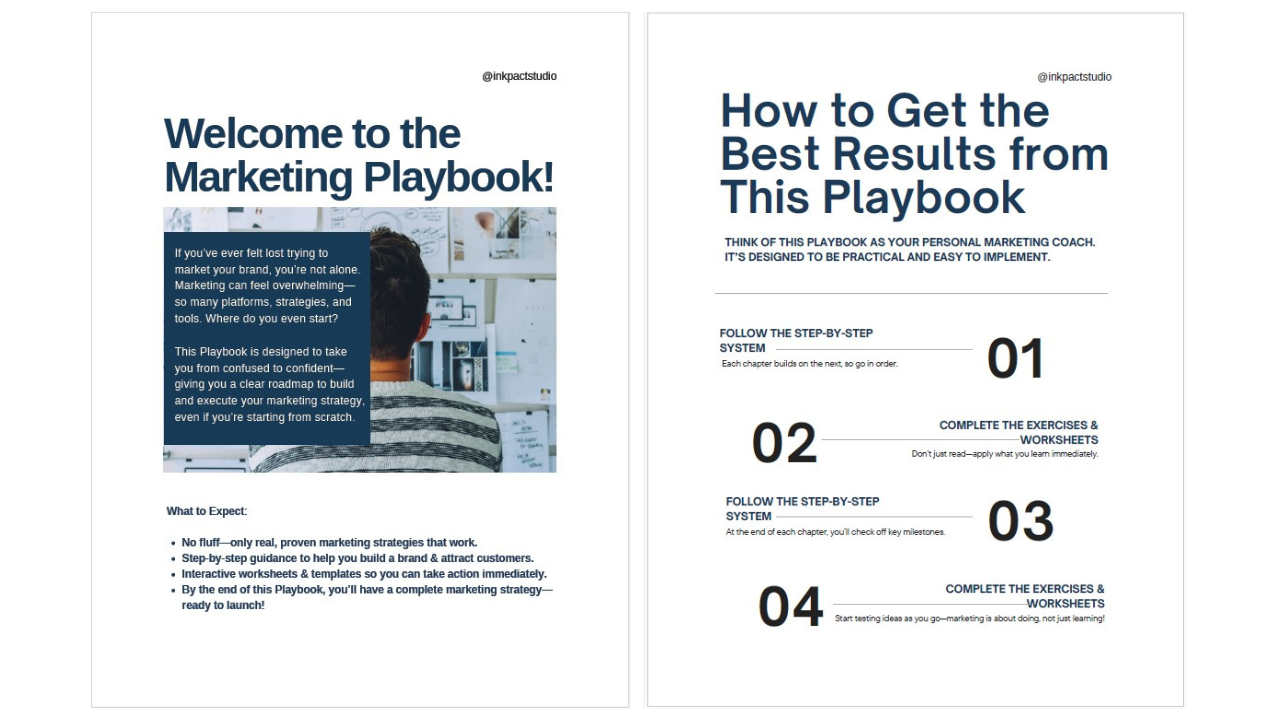
And if you’re not sure where to begin, the first few pages of my playbook are a great place to start.



 Shoe/Syrup/Sushi
Leave a comment