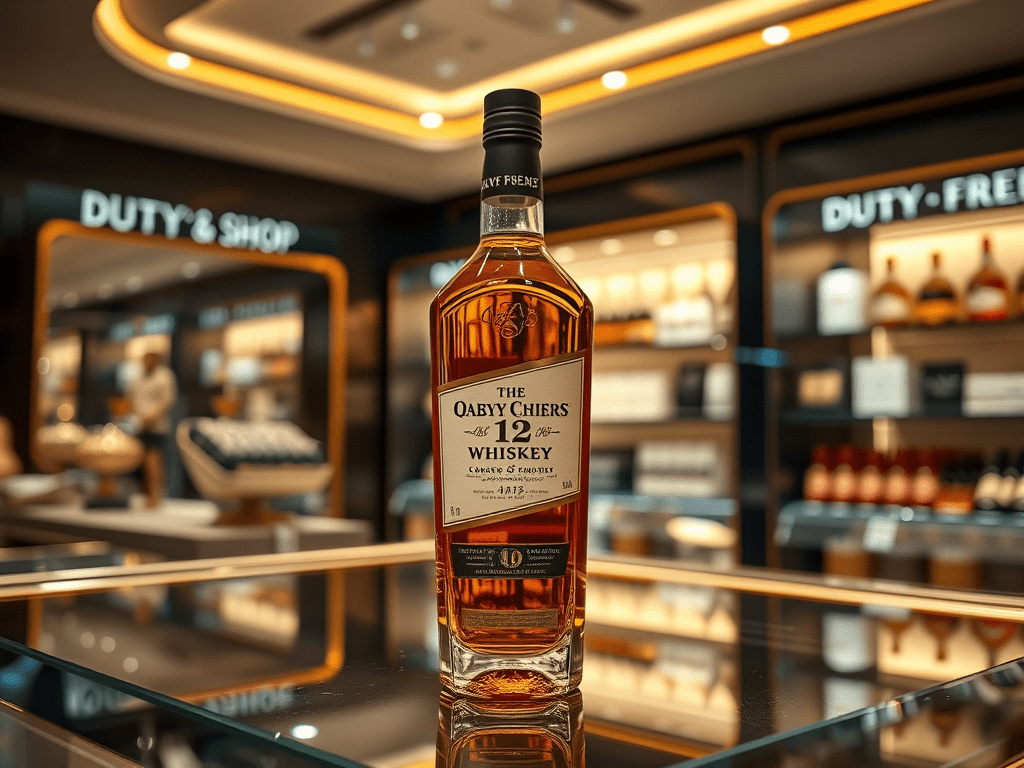
The Rise of Premium Whisky in India
India’s whisky market has evolved dramatically over the past decade. What was once a space dominated by mass-market blends is now a thriving hub for premium and ultra-premium whiskies. At Bengaluru Duty Free, we’ve seen this shift firsthand—travelers are no longer just looking for a good deal; they’re seeking exclusive, well-crafted, and story-driven spirits that elevate their drinking experience.
As someone who’s spent years marketing luxury brands, I’ve observed patterns that separate successful premium whisky brands from those that struggle to gain traction. So, what makes a luxury whisky truly desirable? And what can premium brands across industries learn from these success stories? Let’s dive in.
1. The Power of Storytelling in Luxury Branding
Luxury is not just about quality—it’s about the story that comes with it. The finest whisky brands don’t just sell a drink; they sell heritage, craftsmanship, and exclusivity.
Take, for example, the way brands position their age statements and cask finishes. A 21-year-old whisky isn’t just a number; it’s a legacy in a bottle. The casks tell tales of distant lands—American oak, sherry butts from Spain, or bourbon barrels from Kentucky. Luxury brands across categories can learn from this narrative approach—whether it’s a designer handbag or a fine watch, customers connect with a storied legacy over mere features.
2. Scarcity & Exclusivity Drive Desire
At Bengaluru Duty Free, some of our best-selling whiskies are not just premium; they are limited editions or travel exclusives. The psychology here is simple: when a product is scarce, its perceived value skyrockets.
Many top whisky brands craft small-batch releases, single-cask editions, or duty-free exclusives, making them coveted collector’s items. This model works brilliantly beyond whisky too—think luxury streetwear brands, haute couture fashion, or even premium skincare lines that release limited-run products to fuel anticipation and exclusivity.
3. Pricing as a Perception Strategy
Luxury is as much about perceived value as it is about the actual product. At duty-free stores, customers often compare whisky prices, but premium brands don’t compete on discounts—they compete on experience, packaging, and exclusivity.
A beautifully packaged bottle, housed in a velvet-lined box with gold embossing, isn’t just about aesthetics—it signals prestige. Premium whisky brands know that a higher price tag reinforces the notion of quality and craftsmanship. This is why luxury brands across industries should avoid price wars and instead focus on elevating perceived value through branding, storytelling, and packaging.
4. Experience & Personalization Matter More Than Ever
One of the biggest trends we’ve seen at Bengaluru Duty Free is the rise of experiential marketing. Customers today don’t just want to buy a bottle; they want to experience the brand—whether it’s through whisky tastings, digital storytelling, or personalized engraving on bottles.
Luxury brands in fashion, watches, and even hospitality can adopt this approach. Personalized shopping experiences, bespoke designs, and tailor-made services create deeper emotional connections and encourage loyalty.
5. The Role of Duty-Free in Building a Global Luxury Image
Duty-free stores are prime real estate for luxury brands. They cater to a captive audience of high-net-worth travelers who are open to discovering new and premium products. Whisky brands leverage duty-free retail to:
- Launch exclusive travel editions that aren’t available elsewhere.
- Reinforce their prestige by positioning themselves alongside other luxury products.
- Tap into a global customer base that values premium experiences.
Luxury brands across industries should view travel retail as a powerful branding tool. The airport isn’t just a shopping stop; it’s a global showroom for prestige brands.
Key Takeaways for Luxury Marketers
- Storytelling sells – Whether it’s a 30-year-old whisky or a handcrafted watch, customers connect with narratives.
- Scarcity creates demand – Limited editions and exclusives build anticipation.
- Pricing should reinforce value – Luxury is about perception, not discounts.
- Experiential branding drives engagement – Customers want to interact with brands before they commit.
- Duty-free retail is a prestige platform – It offers unparalleled access to affluent, global consumers.
Final Thoughts
Working at Bengaluru Duty Free has given me a front-row seat to the evolution of luxury whisky in India. The strategies that make premium whiskies successful are not unique to alcobev—they are universal principles of branding, marketing, and consumer psychology.
For brands looking to elevate their luxury positioning, whisky offers a masterclass in premium branding. The next time you see a beautifully packaged, meticulously aged whisky, remember—it’s not just a drink, it’s a lesson in marketing excellence.
Are you a brand looking to refine your luxury positioning? Let’s connect and discuss how we can craft an irresistible brand narrative that drives desire and exclusivity.



 Shoe/Syrup/Sushi
Leave a comment