
Indian cocktails have become increasingly popular, blending the rich flavors and traditions of the country with contemporary mixology techniques. Whether you’re a fan of classic spirits or looking to explore something new, Indian cocktails offer a unique experience that reflects the diversity and vibrancy of India itself. In this blog, I’ll share three of my favorite Indian-inspired cocktails, each with a clear recipe that you can easily recreate at home.
1. The Masala Mojito
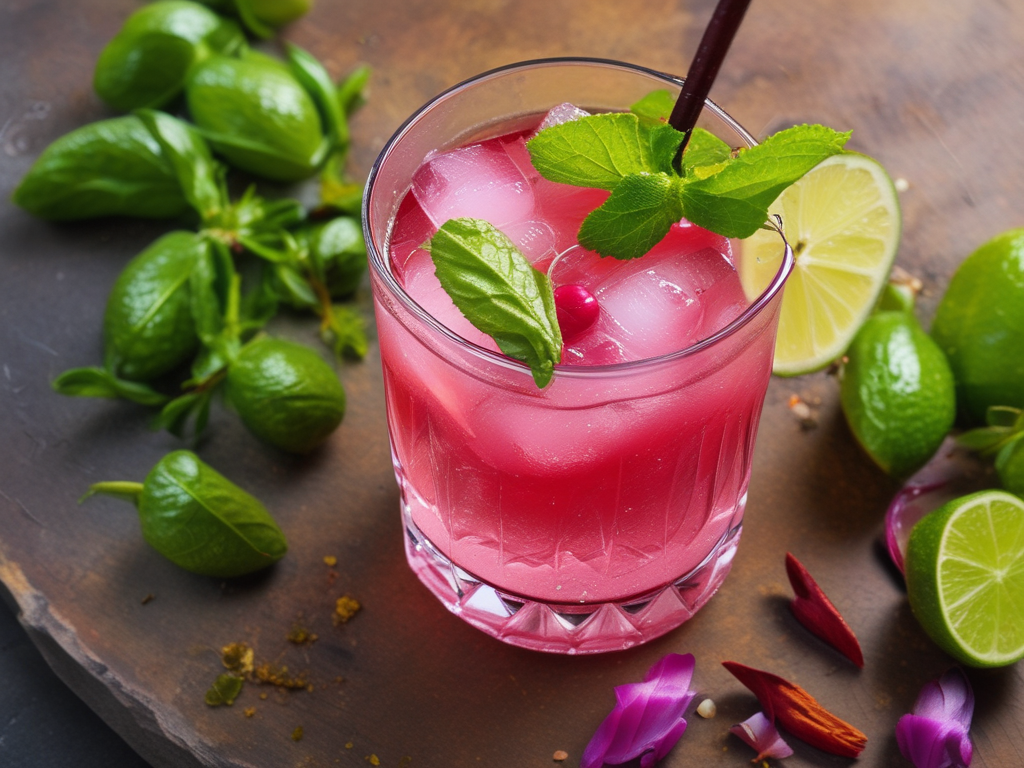
The classic Mojito gets an Indian twist with this flavorful and refreshing cocktail. By adding a touch of masala and using Indian herbs, the Masala Mojito becomes a perfect blend of sweetness, spice, and minty freshness.
Ingredients:
- 8-10 fresh mint leaves
- 1/2 lime, cut into wedges
- 2 teaspoons sugar
- 2 oz white rum (such as Amrut Two Indies Rum)
- 1/2 teaspoon chaat masala
- A pinch of black salt
- Club soda
- Ice cubes
Recipe:
- In a sturdy glass, muddle the mint leaves, lime wedges, and sugar until the lime releases its juice and the sugar starts to dissolve.
- Add the chaat masala and black salt, and stir well.
- Pour in the white rum and stir again to mix all the flavors.
- Fill the glass with ice cubes, then top it off with club soda.
- Garnish with a sprig of mint and a slice of lime. Serve immediately.
Tasting Notes: The Masala Mojito is a refreshing cocktail with a perfect balance of sweet, sour, and spicy flavors. The chaat masala adds a tangy twist, while the mint keeps it cool and invigorating.
2. The Tamarind Whisky Sour
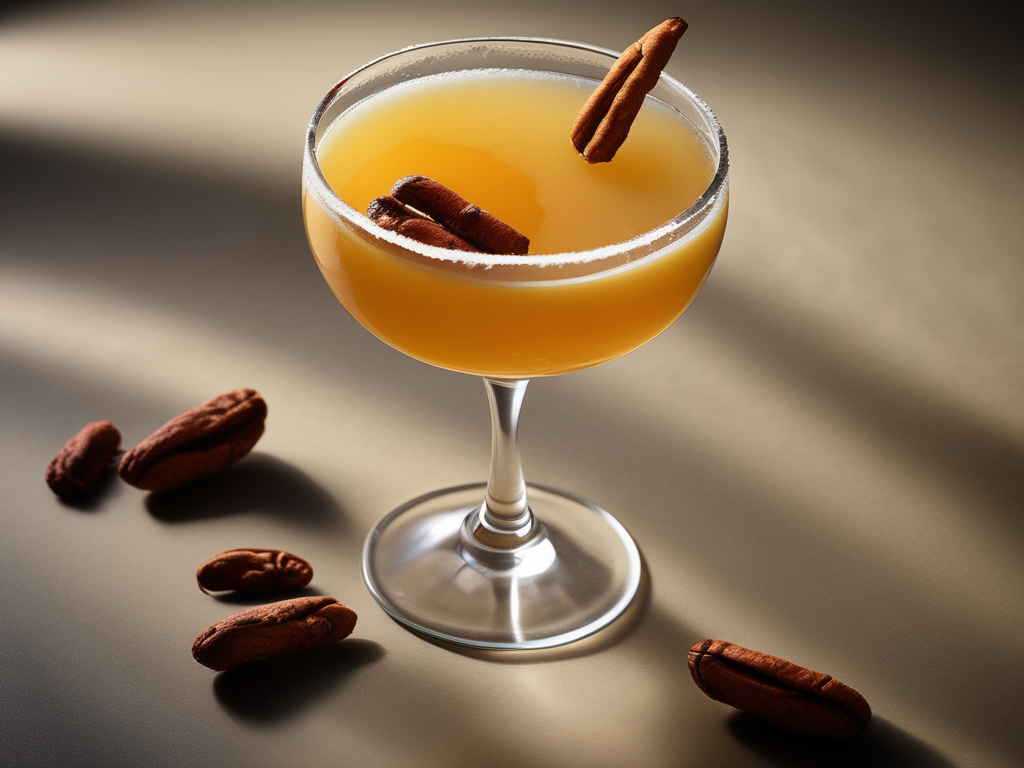
The Whisky Sour is a timeless classic, but adding tamarind to the mix gives it a distinctly Indian flavor. Tamarind’s tartness complements the whisky’s warmth, creating a cocktail that’s both refreshing and complex.
Ingredients:
- 2 oz Indian whisky (such as Paul John Nirvana)
- 1 oz tamarind paste
- 1 oz fresh lemon juice
- 3/4 oz simple syrup
- 1 egg white (optional, for a frothy top)
- Ice cubes
- Lemon twist, for garnish
Recipe:
- In a cocktail shaker, combine the whisky, tamarind paste, lemon juice, simple syrup, and egg white (if using).
- Dry shake (without ice) vigorously for about 15 seconds to emulsify the egg white.
- Add ice cubes and shake again until well chilled.
- Strain the mixture into a chilled rocks glass filled with ice.
- Garnish with a lemon twist. Serve immediately.
Tasting Notes: The Tamarind Whisky Sour is a cocktail that plays with contrasts—sweet and tart, rich and refreshing. The tamarind adds a tangy depth that enhances the whisky’s natural flavors, making this a truly unique drink.
3. The Saffron Gin & Tonic
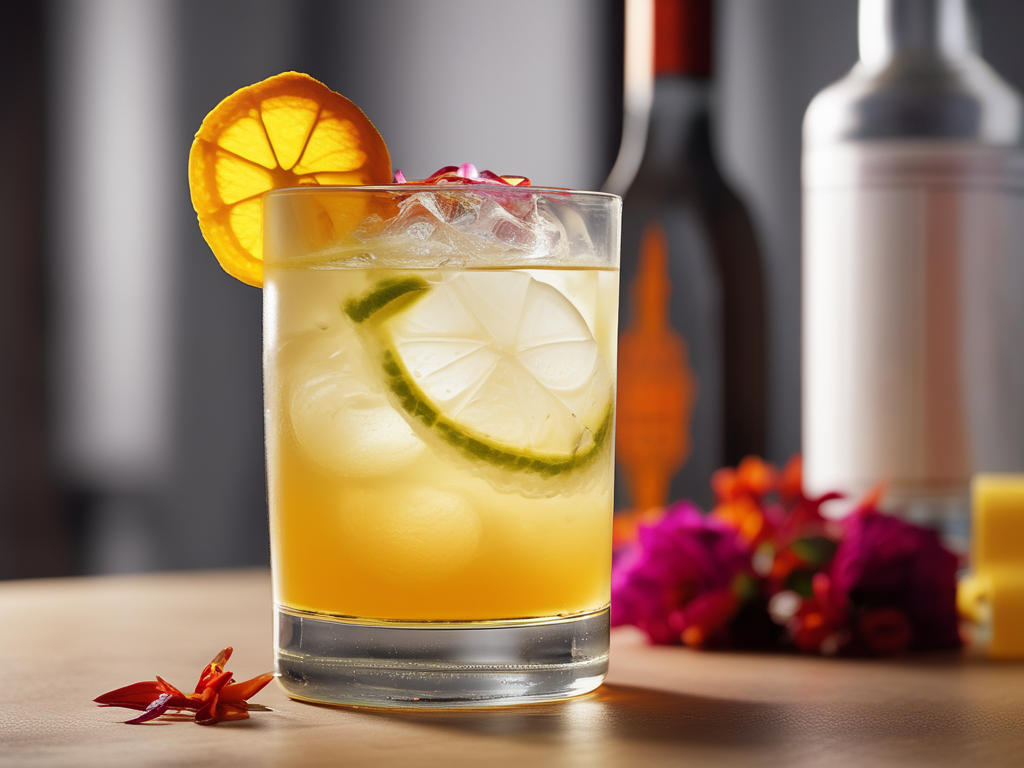
Gin & Tonic is a beloved classic, and adding saffron gives it a luxurious Indian twist. Saffron’s subtle earthy notes pair beautifully with the botanicals in gin, making this cocktail as elegant as it is easy to make.
Ingredients:
- 2 oz Indian gin (such as Stranger & Sons)
- A pinch of saffron threads
- 1/2 oz fresh lime juice
- Tonic water
- Ice cubes
- Lime wheel, for garnish
Recipe:
- In a small bowl, soak the saffron threads in lime juice for about 10 minutes to release the color and flavor.
- Fill a highball glass with ice cubes.
- Pour the saffron-infused lime juice over the ice, then add the gin.
- Top off with tonic water and stir gently to mix.
- Garnish with a lime wheel. Serve immediately.
Tasting Notes: The Saffron Gin & Tonic is a sophisticated cocktail with a hint of exotic spice. The saffron adds a subtle, earthy flavor that elevates the traditional G&T, making it an ideal drink for special occasions or when you want to indulge in something a little different.
Conclusion
Indian cocktails are a celebration of the country’s rich culinary heritage and its vibrant culture. These three recipes—Masala Mojito, Tamarind Whisky Sour, and Saffron Gin & Tonic—each offer a unique take on classic cocktails, infused with the flavors and spices that make Indian cuisine so beloved. Whether you’re hosting a party or just looking to enjoy a special drink at home, these Indian-inspired cocktails are sure to impress and delight. So why not give them a try? Cheers!







 Shoe/Syrup/Sushi
Leave a comment