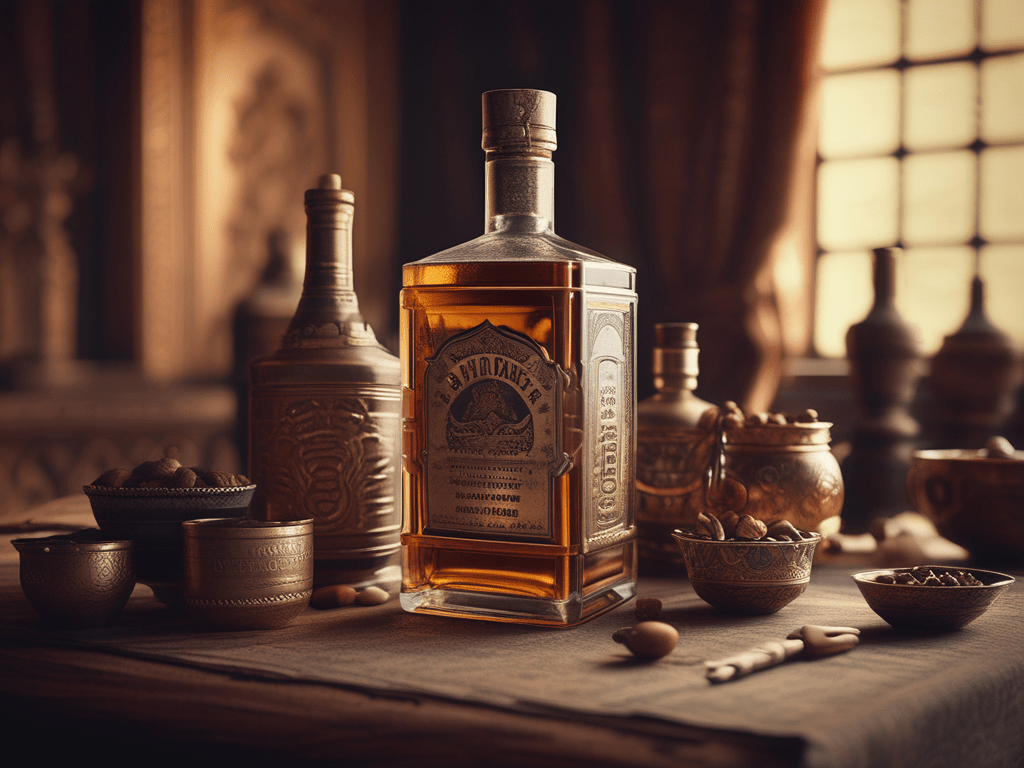
As a food and liquor blogger, I love exploring the fascinating world of beverages. Recently, I decided to embark on an exciting journey to write 30 blogs about Indian liquor, each delving into a different aspect of our country’s diverse and vibrant alcohol culture. This is the first blog in that series, and we’re kicking things off with a deep dive into the rich and spirited history of Indian alcohol. So, pour yourself a drink and join me on this adventure!

Ancient Beginnings: Alcohol in the Vedic Age
India’s relationship with alcohol dates back to ancient times. The Vedas, sacred texts from around 1500 BCE, mention several types of alcoholic beverages. Soma and Sura were the stars of this era. Soma, a drink made from a mysterious plant, was often consumed during rituals by priests. Sura, on the other hand, was a fermented beverage made from barley or rice, enjoyed by the common folk.
Interesting Fact: Soma was so revered that it was considered a divine drink, believed to grant immortality and divine insight to those who consumed it.
The Classical Period: Royalty and Revelry
Fast forward to the classical period (500 BCE – 800 CE), and alcohol had become a staple at royal banquets and festive gatherings. The Maurya and Gupta dynasties were famous for their grand feasts where wines, meads, and other alcoholic concoctions flowed freely. Alcohol was not just a drink; it was a symbol of status and luxury.
Highlight: “During the Gupta Empire, alcohol consumption was not just a social activity but also a status symbol, enjoyed by kings and nobles alike.”
Medieval India: The Persian Influence

The medieval period (8th to 18th century) saw the arrival of the Mughal Empire, bringing Persian and Central Asian influences that transformed India’s alcohol scene. The Mughals introduced exotic drinks like Arak, a distilled spirit made from fermented fruit, grain, or palm sap. The Mughal emperors were known for their elaborate drinking rituals and their preference for finely crafted beverages.
Interesting Fact: Emperor Akbar had a dedicated team of winemakers who crafted special blends just for him, highlighting the importance of alcohol in royal circles.
Colonial Era: The British and the Rise of Modern Alcohol
The British arrival in the 17th century marked a significant turning point. With the British East India Company came new drinking habits and preferences, leading to the introduction of gin, rum, and other Western spirits. This era also saw the establishment of India’s first breweries and distilleries.
Highlight: “The British influence led to the establishment of India’s first commercial brewery in 1830, in the town of Kasauli, Himachal Pradesh.”
Post-Independence: A Modern Revival
After India gained independence, the alcohol industry saw a resurgence. With relaxed regulations and a growing middle class, both consumption and production increased. Indian entrepreneurs began exploring traditional recipes and modern techniques, creating unique beverages that appealed to a wide audience.
Interesting Fact: Amrut, India’s first indigenous whisky, was launched in 1948 and has since gained international acclaim for its quality and flavor.
The Craft Revolution: Present-Day Innovations
In recent years, there’s been a craft revolution in the Indian alcohol industry. Microbreweries, craft distilleries, and boutique wineries have sprung up across the country, offering a diverse range of artisanal drinks. From craft beers brewed with local ingredients to single malts aged in Indian oak barrels, the contemporary Indian alcohol scene is vibrant and innovative.
Highlight: “The rise of craft breweries in cities like Bangalore and Pune has transformed India into a hub for beer enthusiasts and connoisseurs.”
Unique Indian Alcoholic Beverages
India’s diverse culture and geography have given rise to a variety of unique alcoholic beverages, each with its own regional twist. Here are a few noteworthy mentions:
- Feni: A traditional Goan spirit made from cashew apples or coconut sap, known for its strong, fruity flavor.
- Mahua: Made from the flowers of the Mahua tree, this tribal drink from central India has a sweet and floral taste and is integral to many tribal rituals.
- Toddy: Also known as palm wine, toddy is a popular beverage in southern India made from the sap of various palm trees, with a mildly sweet and tangy flavor.
Interesting Fact: Mahua is not only consumed as a drink but is also used in traditional medicine for its supposed health benefits.

Alcohol in Indian Festivals and Traditions
Alcohol has always been an important part of Indian festivals and traditions. From the joyous celebrations of Holi and Diwali to the solemn rituals of weddings and funerals, alcohol often finds a place in the festivities. Each region has its own customs involving alcohol, reflecting the country’s cultural diversity.
Highlight: “In Goa, Feni is considered an essential part of the traditional Goan wedding ceremony, symbolizing joy and prosperity.”
Challenges and Opportunities in the Indian Alcohol Industry
Despite its rich history and growing popularity, the Indian alcohol industry faces several challenges. Strict regulations, high taxes, and social stigma continue to hinder its growth. However, the industry also presents numerous opportunities, especially in the premium and craft segments. As more Indians embrace diverse drinking experiences, the market for quality and innovative alcoholic beverages is expanding.
Interesting Fact: India is the world’s largest consumer of whisky, accounting for nearly half of the global whisky consumption.
Conclusion
The history of Indian alcohol is a tale of tradition, innovation, and resilience. From ancient rituals to modern craft drinks, India’s alcohol journey is a testament to its rich cultural heritage and evolving tastes. As the industry continues to grow and innovate, there’s no doubt that Indian alcohol will keep captivating connoisseurs and casual drinkers alike.
So, the next time you raise a glass, remember that you’re not just enjoying a drink but also partaking in a legacy that spans millennia. Cheers to that!
Fun Facts Recap
- Soma: A divine drink from the Vedic age, believed to grant immortality.
- Gupta Empire: Alcohol was a status symbol during this period.
- Mughal Influence: Introduction of exotic drinks like Arak.
- First Brewery: Established in 1830 by the British in Kasauli.
- Amrut Whisky: India’s first indigenous whisky, launched in 1948.
- Mahua: A tribal drink with medicinal uses.
- Feni in Weddings: Essential in traditional Goan wedding ceremonies.
- Whisky Consumption: India consumes nearly half of the world’s whisky.




 Shoe/Syrup/Sushi
Leave a comment